Economic security shapes people’s ability to prepare for climate risks, recover from emergencies, and make decisions about their lives. For LBQ women and non-binary people, discrimination can restrict access to employment, land, financial resources, and markets. Climate change compounds these barriers by disrupting livelihoods and threatening food and income security.
At ICA Foundation Kenya, we believe climate justice must include economic justice. This means advancing equitable access to resources, dignified livelihood opportunities, and greater power over the economic decisions that affect our communities. Our work connects economic autonomy with environmental sustainability, collective wellbeing, and lasting climate resilience.
Eco-Dada: Growing Livelihoods and Collective Power
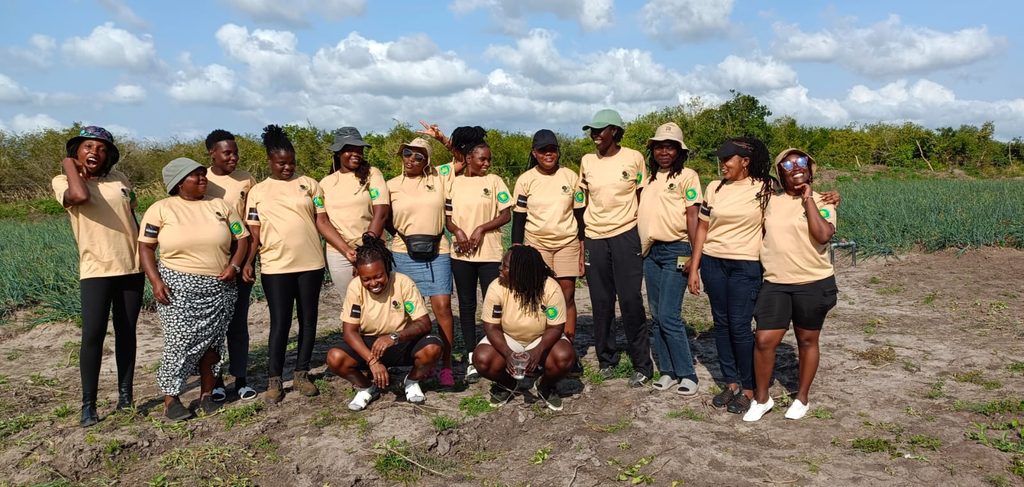
Eco-Dada is ICA’s flagship ecological farming and economic empowerment initiative, centring LBQ women and non-binary people. It brings together sustainable agriculture, livelihood development, and a long-term vision of equitable land access and collective asset ownership.
Eco-Dada responds to interconnected challenges: economic exclusion, insecure access to land, food insecurity, and climate vulnerability. It recognizes that communities need practical opportunities to earn a living, strengthen their skills, and build resources that support greater stability and choice.
Rooted in feminist values of care, equity, and shared decision-making, Eco-Dada places community agency at the centre of economic empowerment. Its purpose extends beyond income generation to strengthening confidence, leadership, solidarity, and the ability to participate in decisions about land, food, and livelihoods.
Ecological farming is central to this vision. Healthy soils, biodiversity, and responsible use of water underpin the food systems and livelihoods on which communities depend. Eco-Dada connects care for the environment with the pursuit of dignified and resilient futures.
Through Eco-Dada, we seek to advance a future where LBQ women and non-binary people can build secure livelihoods, exercise greater control over productive resources, and shape a more just and sustainable economy.