
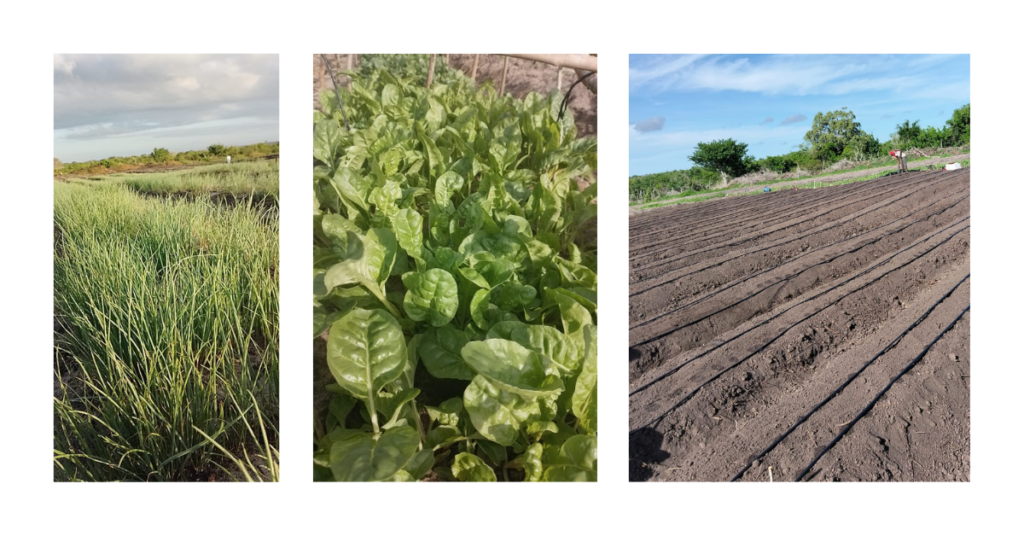
 Through our flagship Eco-Dada Project, we work with LBQ women and marginalized communities in Kenya to strengthen food security, promote sustainable livelihoods, and support communities disproportionately affected by climate change, poverty, and social exclusion.
Climate change continues to affect communities across Kenya through prolonged droughts, unpredictable rainfall patterns, floods, rising food prices, water scarcity, and loss of livelihoods. These impacts are often more severe for marginalized communities who already face barriers to economic opportunities, land ownership, access to resources, and social protection systems.
Eco-Dada was established as a community-centered response to these challenges.
The project combines ecological farming, climate resilience, economic empowerment, and community learning to create sustainable and locally-led solutions that strengthen both people and the environment.
Expanding Access to Land and Farming Opportunities
Many marginalized individuals, especially LBQ women, face systemic barriers to accessing land, farming resources, and financial capital needed to engage in agriculture and build sustainable livelihoods.
Eco-Dada helps address these barriers by creating opportunities for collective farming and community-led food production.
Through the project, ICA provides access to land where community members can collectively farm, learn sustainable agricultural practices, and strengthen community resilience together. The project creates a safe and inclusive environment where individuals can actively participate in food production, economic activities, and climate adaptation initiatives.
Recognizing that access to start-up capital remains one of the biggest barriers to sustainable farming, ICA also supports first-time production by investing in essential farming inputs and initial production support. This enables community members who may not otherwise afford the cost of cultivation to successfully participate in farming activities and generate income from agricultural production.
By combining access to land, irrigation support, sustainable farming knowledge, mentorship, and production support, Eco-Dada creates pathways toward economic empowerment, food security, and long-term resilience.
Building Climate Resilience Through Sustainable Agriculture
Eco-Dada recognizes that sustainable agriculture is a powerful climate adaptation strategy.
Through irrigation farming and ecological farming methods, communities are better equipped to continue food production despite changing climate conditions and unreliable rainfall patterns. The project strengthens communities’ ability to adapt to climate shocks while reducing vulnerability to hunger, economic instability, and displacement.
At the same time, Eco-Dada contributes to environmental conservation by promoting farming practices that protect biodiversity, improve soil fertility, conserve water, and reduce environmental harm.
Our approach demonstrates that climate action can and must center communities most affected by climate injustice.
Creating Lasting Community Impact
Eco-Dada is transforming lives by helping communities move from vulnerability toward resilience and self-sustainability.
The project creates opportunities for individuals to:
- Access nutritious food
- Generate income through agriculture
- Develop sustainable farming skills
- Build economic independence
- Strengthen community solidarity
- Participate in climate solutions
- Improve household resilience during climate crises
Beyond farming, Eco-Dada creates spaces for learning, leadership, collaboration, and collective action. Community members are able to share experiences, build support systems, and collectively develop solutions that respond to their realities and needs.